
Hosted by the Western District of Virginia
September 2 and 3, 2026
On September 2 and 3, the U.S. Probation and Pretrial Services Office for the Western District of Virginia will host a national jiu-jitsu seminar for law enforcement officers led by FLEOA 111 Project Lead Instructor Brian Bowers and Vice President Felecia Bowers. No jiu-jitsu experience is necessary to attend these two full days of training.
The objective of the seminar is to teach comprehensive officer survival skills on the ground using jiu-jitsu techniques and to promote jiu-jitsu training among safety instructors in an effort to propagate the martial art throughout the system.
Date: The training will be on September 2 and 3 (travel days: September 1 and 4). The training will be from 8:30 AM to 5 PM. Please do not schedule flights before 7 PM on September 3.
Target Audience: Open to any district or FPPA safety instructor who has completed ISIC. Students who desire to learn more about jiu-jitsu through physically demanding, mentally challenging, and fast-paced training will enjoy this unique opportunity.
Location: U.S. Courthouse in Roanoke, Virginia, at 210 Franklin Road S.W.
Cost: The training is free. Districts are responsible for all travel expenses, including travel to and from the Roanoke Airport. A block of rooms will be reserved at the Hampton Inn and Suites in Roanoke at the government rate. https://www.hilton.com/en/hotels/roardhx-hampton-suites-roanoke-downtown/
Registration: Once you are approved to attend the training by your district, contact Jaon Varney at Jason_Varney@vawp.uscourts.gov to receive registration instructions. There are limited spots available. Once full, those who wish to attend can be added to a standby list to fill any vacant seats if there are cancellations. Registration will close on August 1, 2026, or once we have reached capacity. After this date, those on the standby list will be contacted to fill any vacant seats.
FAQ
I have never done jiu-jitsu. Can I still attend?
You can and should attend. Our goal is to propagate jiu-jitsu training among law enforcement and, while viable self-defense techniques will be taught, we think the camaraderie and fellowship of the training will be more impactful to inspire students to continue training. So, yes, brand-new students are absolutely welcome.
What will students learn?
Students will learn jiu-jitsu techniques in full accordance with use-of-force policies, applicable case law, and best practices for law enforcement officers. The techniques will supplement nearly all current physical tactics lesson plans.
Is this just another physical tactics, arrest, and control training?
No. Our goal is to teach law enforcement officers techniques to achieve positional dominance during a physical altercation, even if they find themselves in a compromised position. This jiu-jitsu seminar is carefully crafted to immerse students in the martial art by teaching foundational jiu-jitsu techniques that enhance officer survivability, promote camaraderie and fellowship, and provide opportunities to network with like-minded individuals. Why? Because the FLEOA 111 Project wants law enforcement officers to begin, continue, and share their jiu-jitsu journey so officers can apply their acquired knowledge of biology, anatomy, and physics to solve a broad range of problems.
I already train jiu-jitsu, will I benefit from this seminar?
Of course! As a tenured practitioner, you understand that seminars vary. Sometimes you may learn a lot of new techniques, sometimes you learn different ways of executing familiar techniques, and sometimes you learn nothing; but in ALL seminars, you meet new people and help reinforce the importance of training.
What is jiu-jitsu and why is it important?
Jiu-jitsu is a practical, self-defense martial art that focuses on avoiding conflict, preventing a fight from going to the ground, and winning a ground fight by subduing the attacker. While that sounds dangerous, jiu-jitsu teaches practitioners self-control, respect, body awareness, and the ability to remain calm during uncomfortable physical altercations. Jiu-jitsu also offers wellness benefits, including improved confidence, a sense of community and belonging, enhanced physical and mental health, and a lifelong learning experience.
Why is jiu-jitsu necessary for law enforcement?
Studies show that law enforcement officers who lack training in joint/body manipulation and leverage will resort to other tools that could be ineffective, unsafe, or an excessive force response. Law enforcement agencies that provide jiu-jitsu training report a significant reduction in injured officers during physical engagements and use-of-force incidents overall.
What do I wear?
In short, sandals and gym clothes with full coverage of the upper arm, belly, chest, and thighs. For more information and examples, check out our Seminar Attire and Equipment Guide.
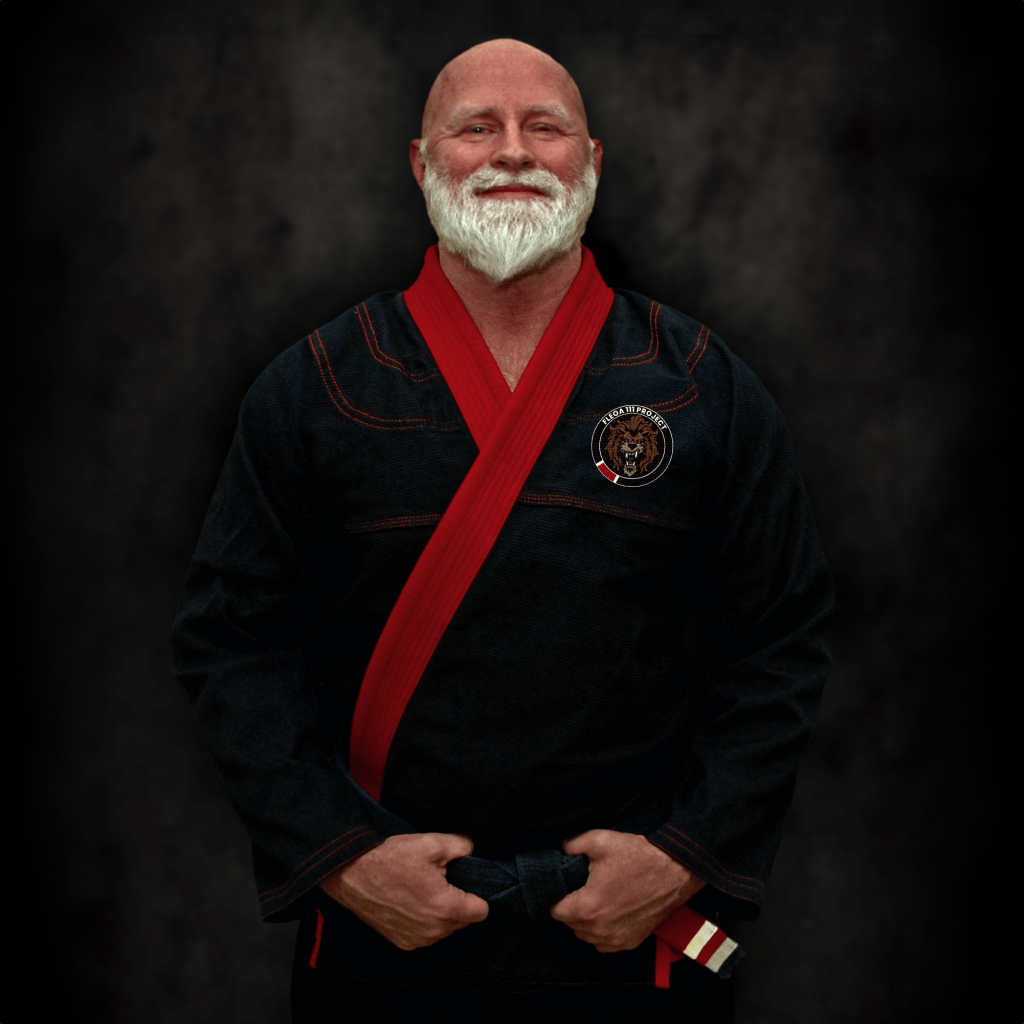
Brian is a Brazilian Jiu-Jitsu black belt under Professor Chris Popdan and the Carlos Gracie, Sr. lineage. In 2024, he was awarded his professorship by João Paulo Martins under the Oswaldo Fadda lineage. Brian is the professor of The Hangout Jiu-Jitsu Club and a coach at the Franklin Jiu-Jitsu Club. He is the lead instructor for the Federal Law Enforcement Officers Association (FLEOA) 111 Project and a former academy instructor.

Felecia Bowers is an instructor at The Hangout Jiu-Jitsu Club and leads a women’s-only jiu-jitsu program at the Franklin Jiu-Jitsu Club. Felecia is the district lead safety instructor in the Southern District of Indiana and an adjunct academy instructor. She is the U.S. Probation and Pretrial Services Agency President for the Federal Law Enforcement Officers Association and the Vice President of the FLEOA 111 Project.
Discover more from
The FLEOA 111 Project
Subscribe to our free newsletter to be notified of new articles, events, literature reviews, and other information related to our mission. You do not need to be a member of FLEOA to participate in the FLEOA 111 Project.
Follow The FLEOA 111 Project on social media
 The FLEOA 111 Project
You must be logged in to post a comment.