
Buying your first gi can be as exciting as it is overwhelming. Before you buy, it is wise to understand the history, rules, general academy guidelines, and some general buying advice.
History
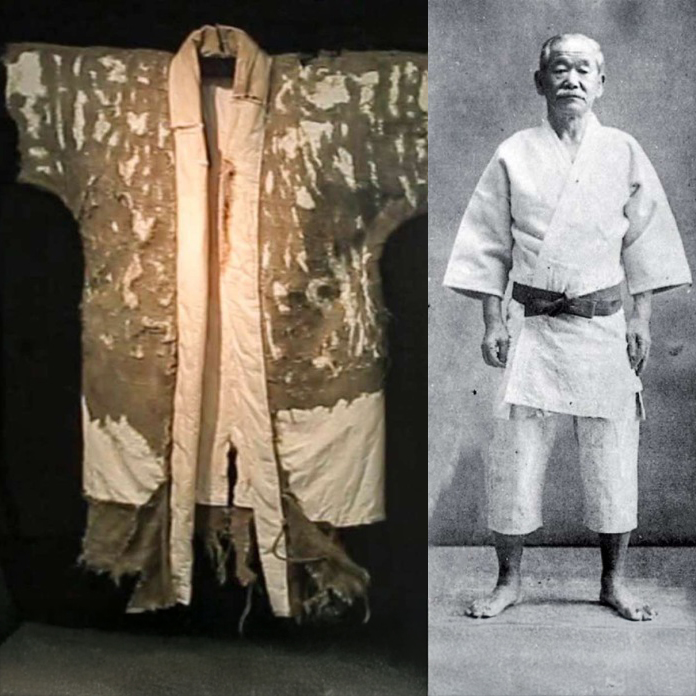
The word “gi” is short for the Japanese keikogi, or practice clothes. Jigoro Kano standardized the uniform for judo in the 1880s. When that art reached Brazil in the 1910s it was still often called jiu-jitsu, and the gi came with it. The tradition of the gi continues today.
Rules
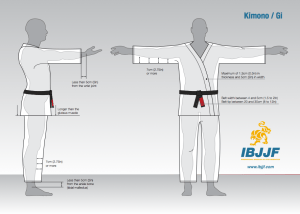
The modern jiu-jitsu gi has fairly strict regulations imposed by the International Brazilian Jiu-Jitsu Federation (IBJJF). This for-profit organization hosts a large share of tournaments around the world. Like most sports, rules change periodically, so practitioners should review the rules every year and before every competition. The current IBJJF uniform rules are on their website, located here: IBJJF Uniform Rules.
General Academy Guidelines
Many, if not most, jiu-jitsu academies have their own rules and guidelines. The IBJJF establishes rules only for the tournaments it sponsors and is not a governing body of jiu-jitsu at large; this is a fact many practitioners misunderstand. Therefore, most academies allow flexibility and, in many cases, welcome self-expression with colors and themes in their classes. However, when attending seminars, special events, and classes at another academy, it is recommended that the gi be a solid color, preferably white, blue, or black.
Advice to Buyers
- Don’t pay more than $100 for a first gi, especially when a high-quality gi can be purchased for less than $60 with free shipping. We recommend using Amazon Prime or a similar service offering free returns if the gi is an incorrect size or fits poorly. Not an Amazon Prime member? Don’t worry; that’s what friends are for – try on one of their gis before purchasing. No friends? Then pay close attention to the sizing charts and the reviews. While most gi manufacturers have similar sizing profiles, there are outliers, so be warned. While not critical, female students may wish to look for a women’s cut if available, as they tend to fit most female bodies slightly better.
- Don’t pay more than $100. Yes, we already said this, but many will ignore the advice because a blue belt on Reddit told them otherwise. The FLEOA 111 Project has tested a lot of gis and understands this: the hottest $400 gi will not make anyone better at jiu-jitsu and the difference between a $100 gi and a $400 gi is negligible. Academies are chock-full of $60 gis with over five years of training and hundreds of wash cycles that still look fantastic.
- Buy a used gi. Many people who “used to train” purchased brand new gis, yet only attended classes for a few weeks, and now need to clean out their closets. So, look at eBay and Mercari for deals, but remember a belt may need to be purchased separately. Once the used gi is received, soak it in a 1:4 solution of vinegar and water for 60 minutes before washing to deodorize and soften the fabric.
- Ask coaches and other students if they know of any good deals. Practitioners with more than a year of experience are inundated daily with emails offering discounts, coupons, and clearance items.
Buy A Rash Guard Too
Traditionally, gi jackets were worn over a bare torso, but the martial art has evolved. Today, there are more students, more jiu-jitsu academies and mixed martial arts clubs, more women practitioners, and a far better understanding of epidemiology. While many academies do not mandate undershirts, it is strongly recommended for etiquette and hygiene. Sweat is a culture medium for pathogens, and a skin-to-object barrier significantly reduces the risk of transmission. The best barrier is a rash guard, a functional training garment that transports moisture away from the skin so it can evaporate. Rash guards are constructed primarily using polyester fabric, which does not absorb sweat, making it a superior textile over cotton. Learn more about rash guards here: You Should Wear A Rash Guard. Please note, male competitors at IBJJF events may not wear a shirt or rash guard under the gi jacket. So, train in a rash guard at the academy, but not at IBJJF competitions.
Wash and Care Instructions
Regardless of the intensity of the training session or the amount of sweat soaked in the garment, the gi must be washed after every training session. This is non-negotiable.
A gi is a cotton garment that can shrink considerably if not maintained properly, especially considering the number of wash cycles it will undergo throughout its lifetime. Wash and rinse gis using the coldest settings available. Do not use fabric softener; it coats the collar and kills grip. To dry, hang the pants and jacket on coat hangers separately, and both will be ready for class in 36 hours. Those planning to train on back-to-back days will need two gis. Wash the belt in the same manner as the gi, but be mindful that it will not be ready for class if training the next day, so washing the belt less frequently is commonplace and appropriate.
Summary
So what did we learn? History is cool; know the rules, wear a barrier, save money, and don’t listen to people with more money than sense.
About The Author
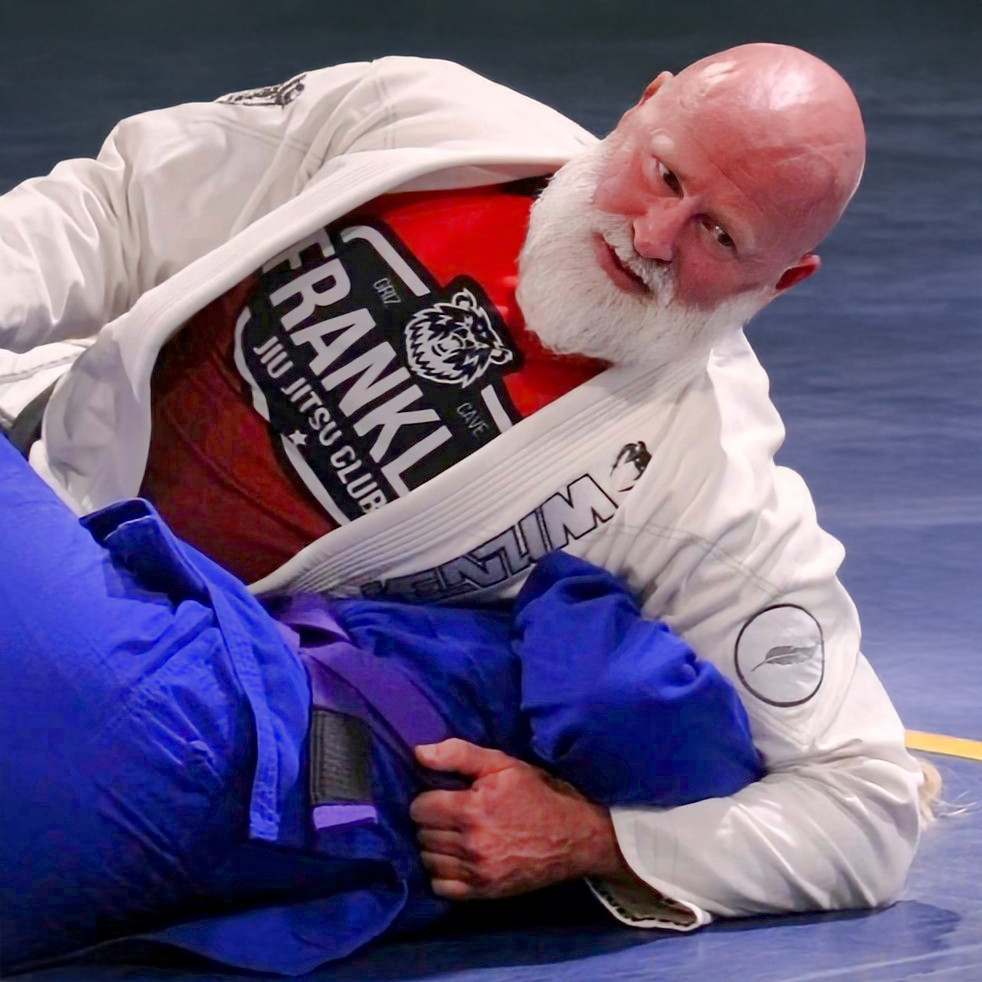
Brian Bowers is a Brazilian Jiu-Jitsu black belt under Professor Chris Popdan with nearly two decades of experience and the Lead instructor of the FLEOA 111 Project. Read More….
Discover more from
The FLEOA 111 Project
Subscribe to our free newsletter to be notified of new articles, events, literature reviews, and other information related to our mission. You do not need to be a member of FLEOA to participate in the FLEOA 111 Project.
Follow The FLEOA 111 Project on social media
 The FLEOA 111 Project
You must be logged in to post a comment.